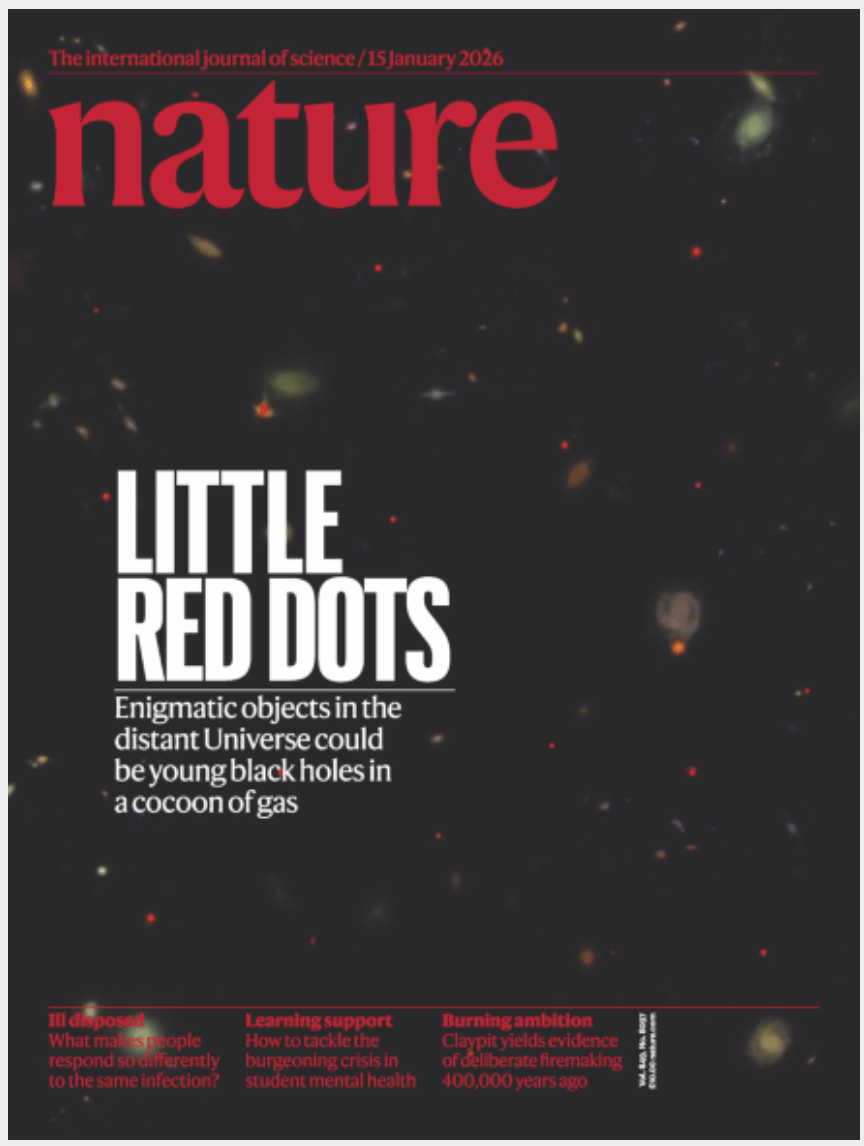
Recently, a major physics breakthrough was published in Nature, the world’s top academic journal. A research team led by the University of Chinese Academy of Sciences, in collaboration with universities including Guangxi University and Central China Normal University, has achieved the first direct experimental observation of the Migdal effect predicted by Soviet scientists more than 80 years ago. This achievement provides critical support for breaking through the threshold bottleneck in the detection of light dark matter. The core hardware enabling this breakthrough—the Topmetal-II pixel-readout chip—was independently developed by the PLAC Laboratory of Central China Normal University. As one of the core collaborating institutions of the study, CCNU was represented by Professor Sun Xiangming, Professor Wang Dong, and Professor Gao Chaosong from the School of Physical Science and Technology. Professor Sun Xiangming served as a co-corresponding author.
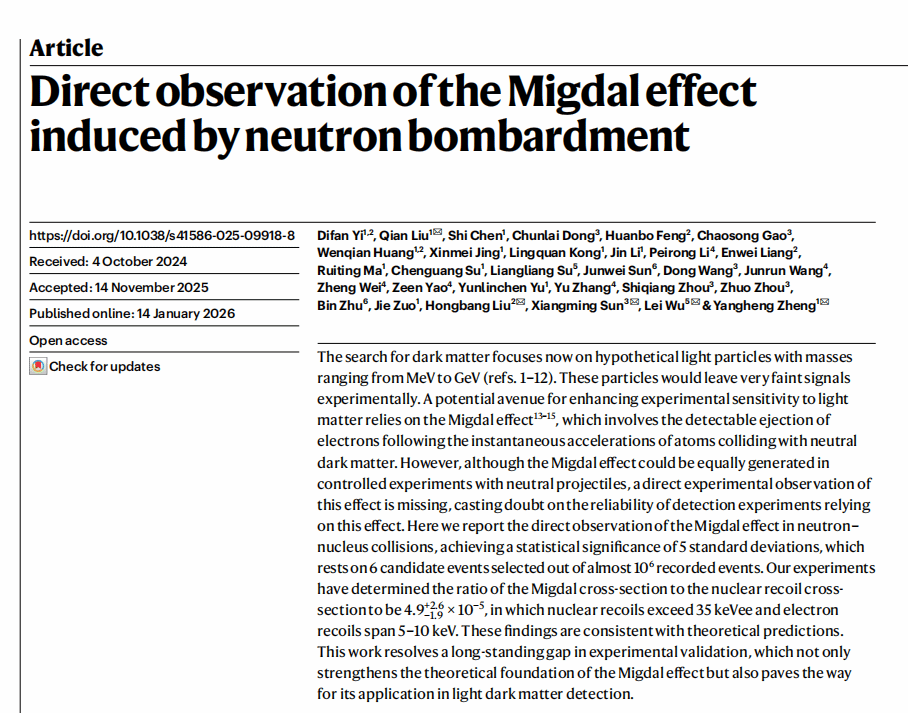
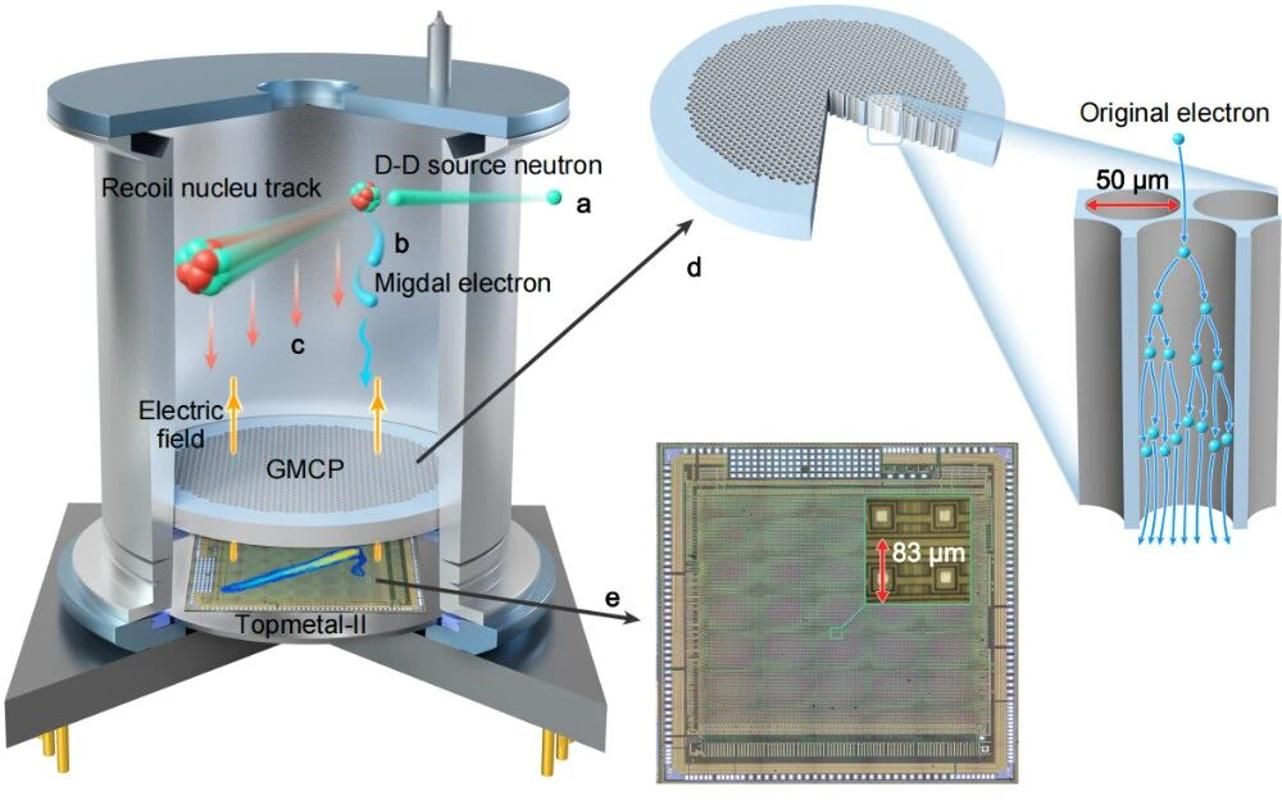
The Migdal effect was proposed in 1939 by Soviet physicist Arkady Migdal. It describes the physical process in which the recoil of an atomic nucleus transfers energy to orbital electrons via changes in the electric field, forming co-vertex charged tracks. This effect is regarded as an important approach to breaking through the detection threshold for light dark matter. However, direct experimental verification of the effect in neutral particle collisions has long been lacking, becoming a key bottleneck restricting relevant dark matter detection research.

As a core achievement of the PLAC Laboratory at Central China Normal University, the Topmetal-series chips have long focused on overcoming key bottleneck technologies in the field of high-energy physics detection, and have established a complete technical system covering chip design, tape-out verification, and system integration. In this research, the chip captures and transmits weak signals in real time through a high-resolution pixel array. Combined with dedicated data processing algorithms, 6 clear Migdal candidate events were selected from nearly one million recorded events. The existence of the effect was confirmed with a statistical significance of 5 standard deviations, and the measured ratio of the Migdal cross-section to the nuclear recoil cross-section is in high agreement with theoretical predictions. The successful application of the chip in the observation of the Migdal effect verifies its reliability and advanced performance in extremely weak signal detection scenarios, demonstrating China’s independent innovation capability in the field of high end detection chips.

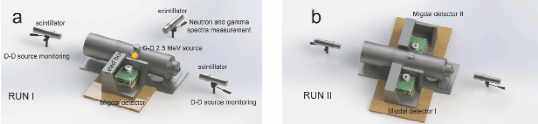
Professor Sun Xiangming mentioned that Chips are the heart of high-end detection equipment. Taking this breakthrough as an opportunity, their team will continue to deepen the technological iteration of the Topmetal-series chips, further enhancing their radiation hardness, energy resolution and integration level. They aim to provide more competitive core device support for next-generation dark matter detection experiments, high-energy physics experiments, and nuclear medical imaging, helping China achieve a leap from ‘following’ to ‘leading’ in basic physics research and advanced detection technology.








 Chinese