To further deepen and expand the university’s exchanges and cooperation with institutions in South Asia, President Peng Shuangjie led a delegation on a visit to Sri Lanka from January 17 to 21. During the visit, he attended the 6th International Conference on Green Plant Protection Technology Innovation co-hosted by our university, held talks with the Vice Chancellor of the University of Peradeniya, visited the University of Colombo, paid a courtesy call to the Chinese Embassy in Sri Lanka and met with alumni of our university in Sri Lanka.
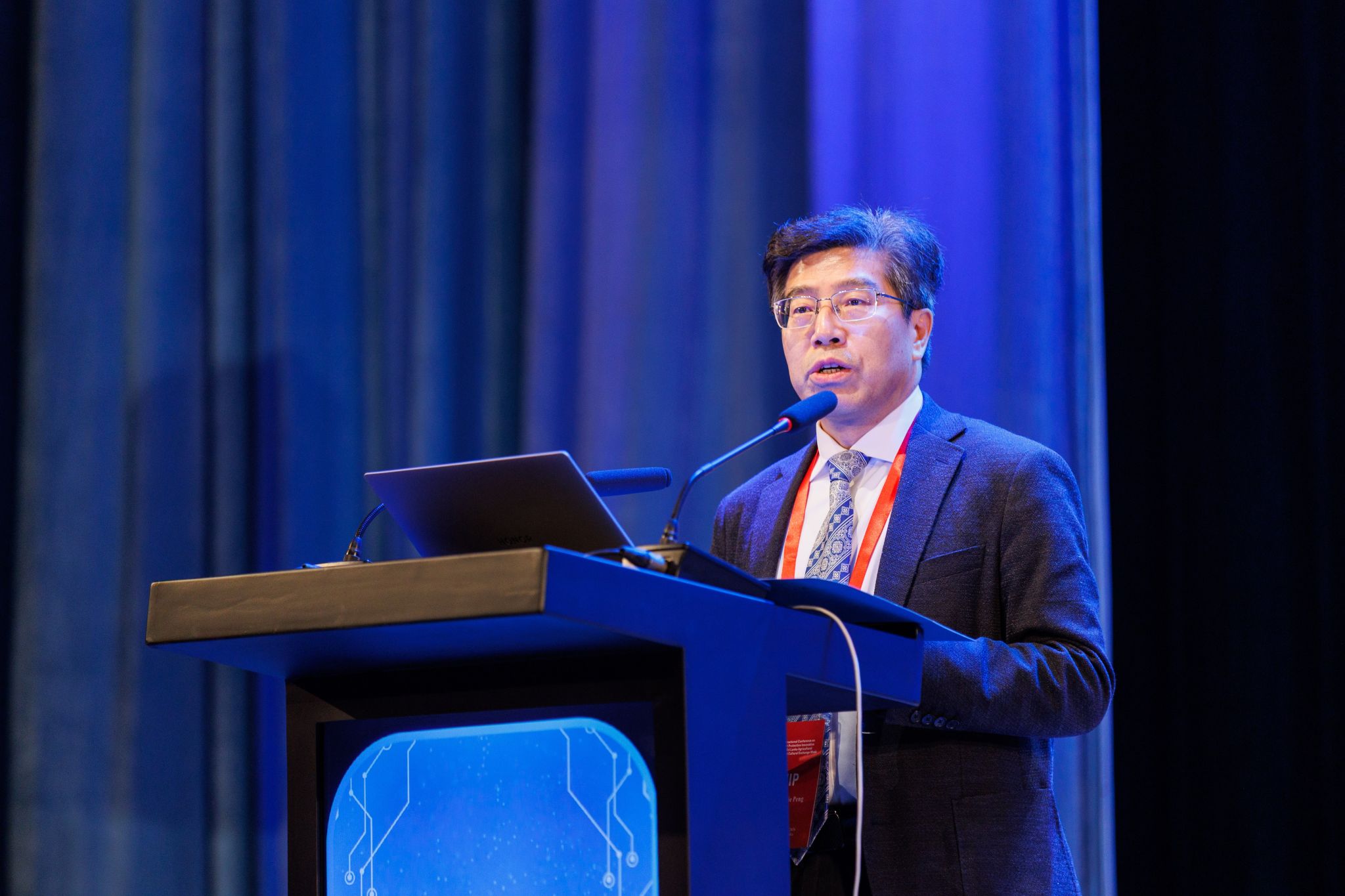
On January 19, President Peng attended and addressed the opening ceremony of the 6th International Conference on Green Plant Protection Technology Innovation. He gave a systematic introduction to the general profile of our university and the development of its pesticide discipline, highlighting the university’s distinctive strengths in green pesticide creation, pesticide molecular design, pesticide residue detection and other fields. He stated that the university is ready to deepen cooperation with global counterparts in green pesticide innovation and joint talent cultivation to jointly address global challenges in plant protection, and contribute wisdom and strength to the green and sustainable development of agriculture.
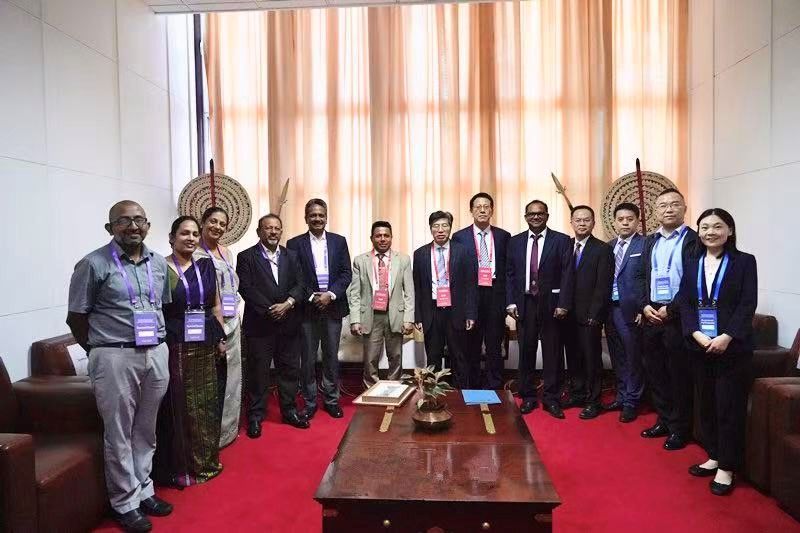

On January 20, President Peng visited the University of Colombo and held talks with its Vice Chancellor, Indika Mahesh Karunathilake. Peng introduced the university’s disciplinary layout and welcomed the University of Colombo to join the Belt and Road Joint Laboratory on Green Prevention and Control Technology for Tea in China–Sri Lanka. It’s also expected to expand cooperation to the humanities and social sciences, sciences, practical disciplines, and broader people-to-people exchanges. The two sides agreed to further deepen cooperation, implement concrete projects, and jointly promote the mutual learning of Chinese and Sri Lankan civilizations.
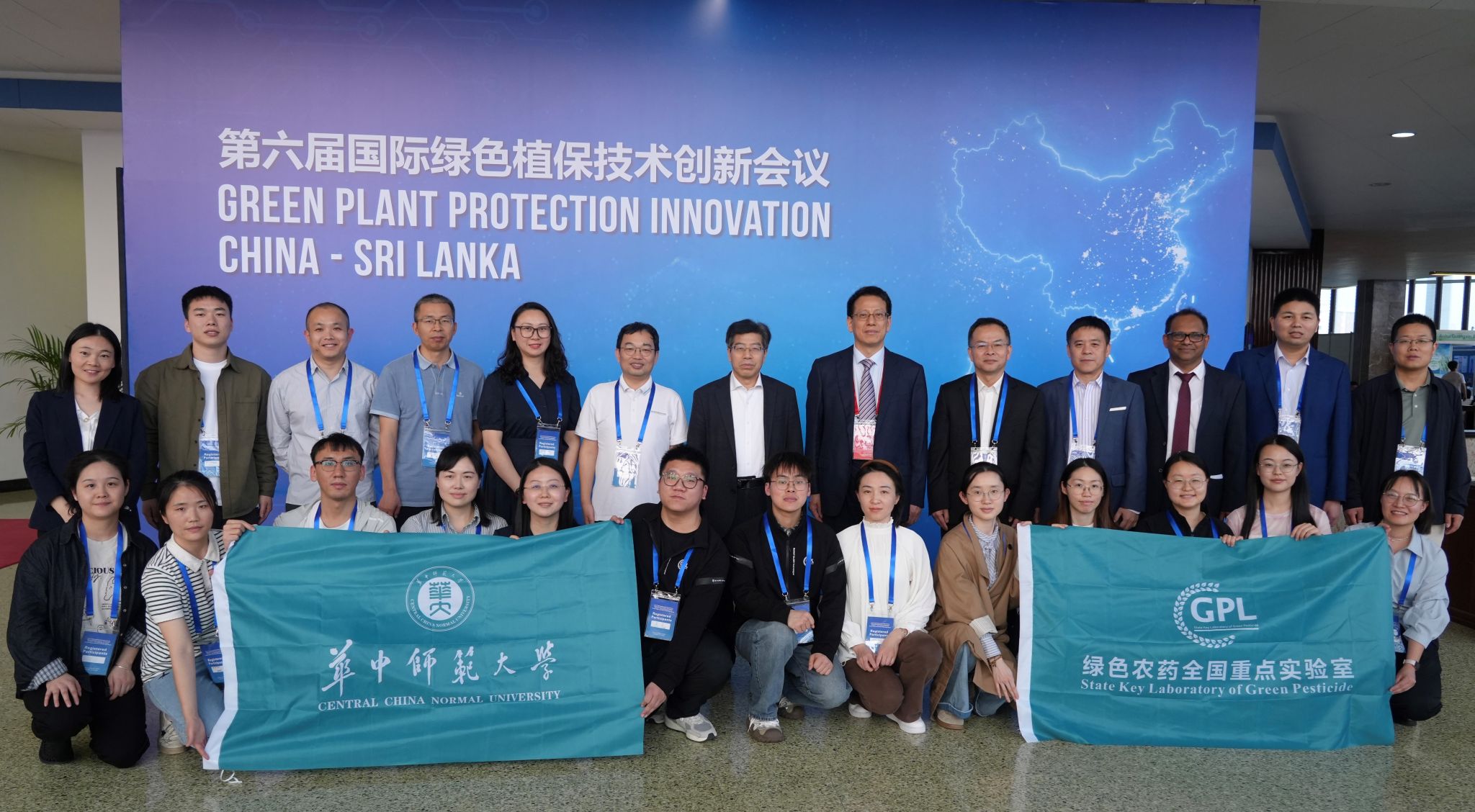
During his visit, President Peng also paid a courtesy call on Counselor Ji Lili from the Cultural Section of the Chinese Embassy in Sri Lanka. He reported on the university’s achievements in cooperation with Sri Lanka as well as its future plans, and actively sought policy guidance and support. He also held a cordial discussion with representatives of our university’s alumni in Sri Lanka. The alumni expressed their readiness to act as a bridge, connect local resources and help their alma mater expand its cooperation network in South Asia. In addition, he conducted working exchanges with the Sri Lanka-based team of the State Key Laboratory of Green Pesticides of our university, coordinating on-site solutions to practical problems encountered in their research and development.








 Chinese