The opening ceremony of the Kaiyuan Humanities Museum was held on June 27 on the fourth floor of the museum building at Central China Normal University (CCNU). Hosted by Vice President Wu Dan, the event drew family representatives of the late Professor Zhang Kaiyuan, university leaders, faculty and students to mark this significant cultural milestone.
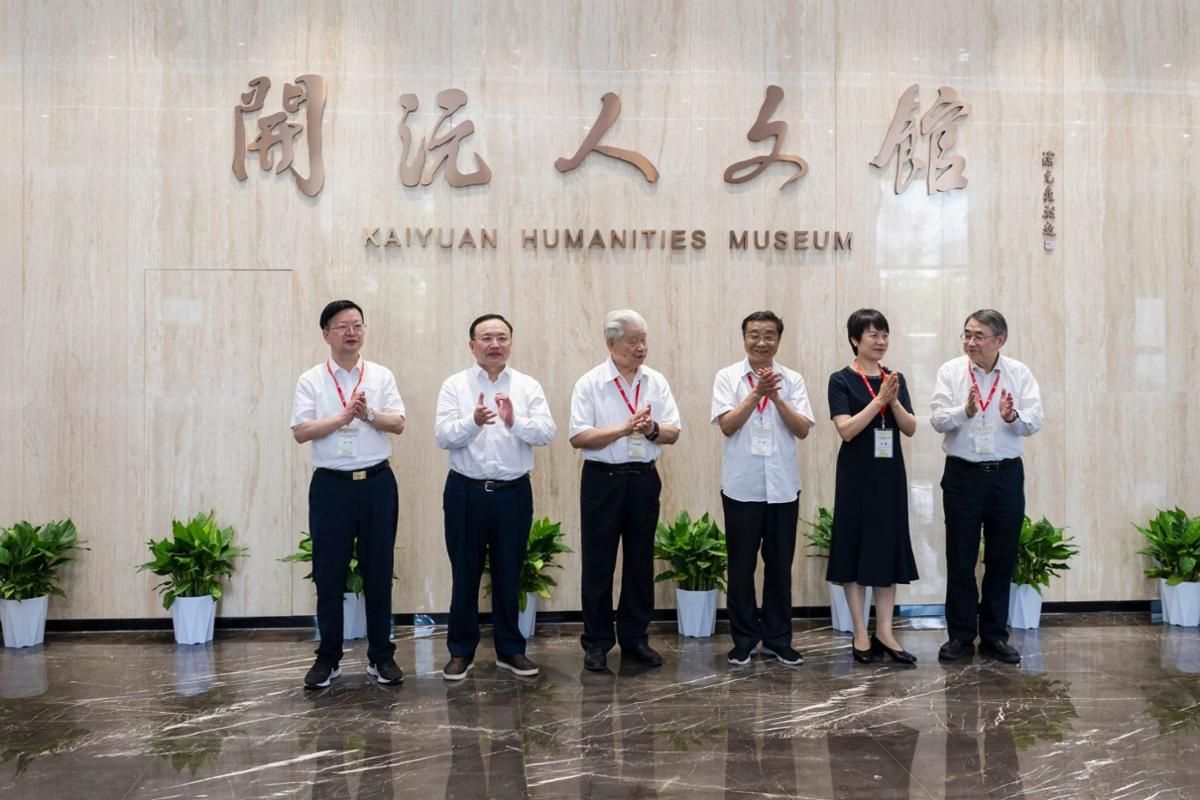
Zhang Kaiyuan (1926-2021), former President of CCNU, was a pre-eminent Chinese historian and educator with internationally-recognized pioneering research on the 1911 Revolution, Chinese chamber of commerce history, missionary universities in China, and historical documents of the Nanjing Massacre. The museum was built to preserve his legacy and perpetuate his intellectual spirit.
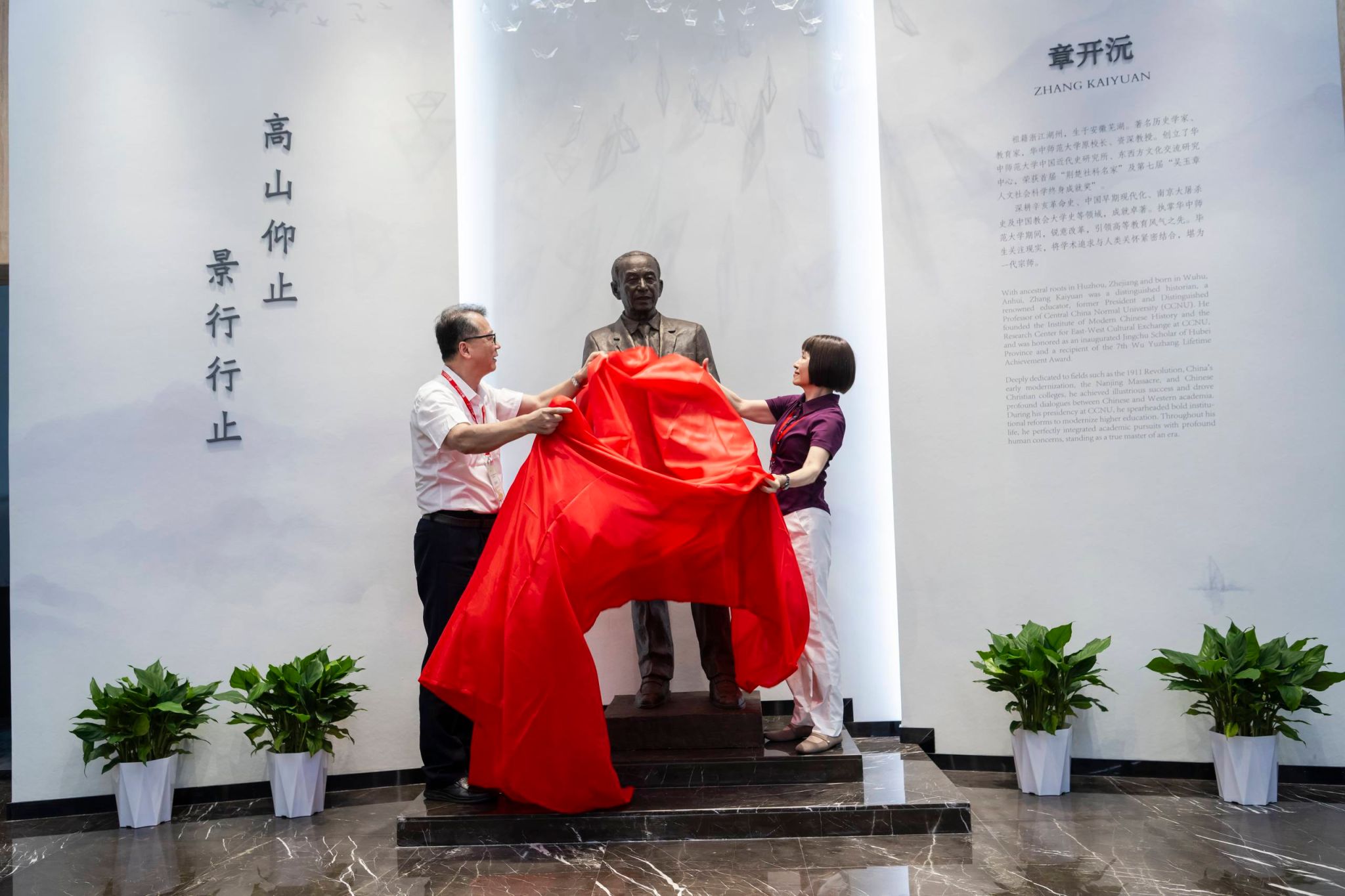
Xia Lixin, CCNU Party Secretary, highlighted Professor Zhang’s enduring spiritual legacy and scholarly integrity. CCNU will build on the museum’s opening to pass forward his academic ethos and educational philosophy, advancing toward its goal of becoming a world-class university renowned for teacher education. Senior Professor Ma Min noted that the museum offers a vivid window into Zhang’s life and scholarship, reflecting broader trajectories of modern-era China. Representatives from Zhang’s hometown Nanxun shared how the Kaiyuan Academy in Nanxun and CCNU’s Kaiyuan Humanities Museum jointly safeguard his intellectual heritage. Book donations were presented to the university library by publishing house representatives.
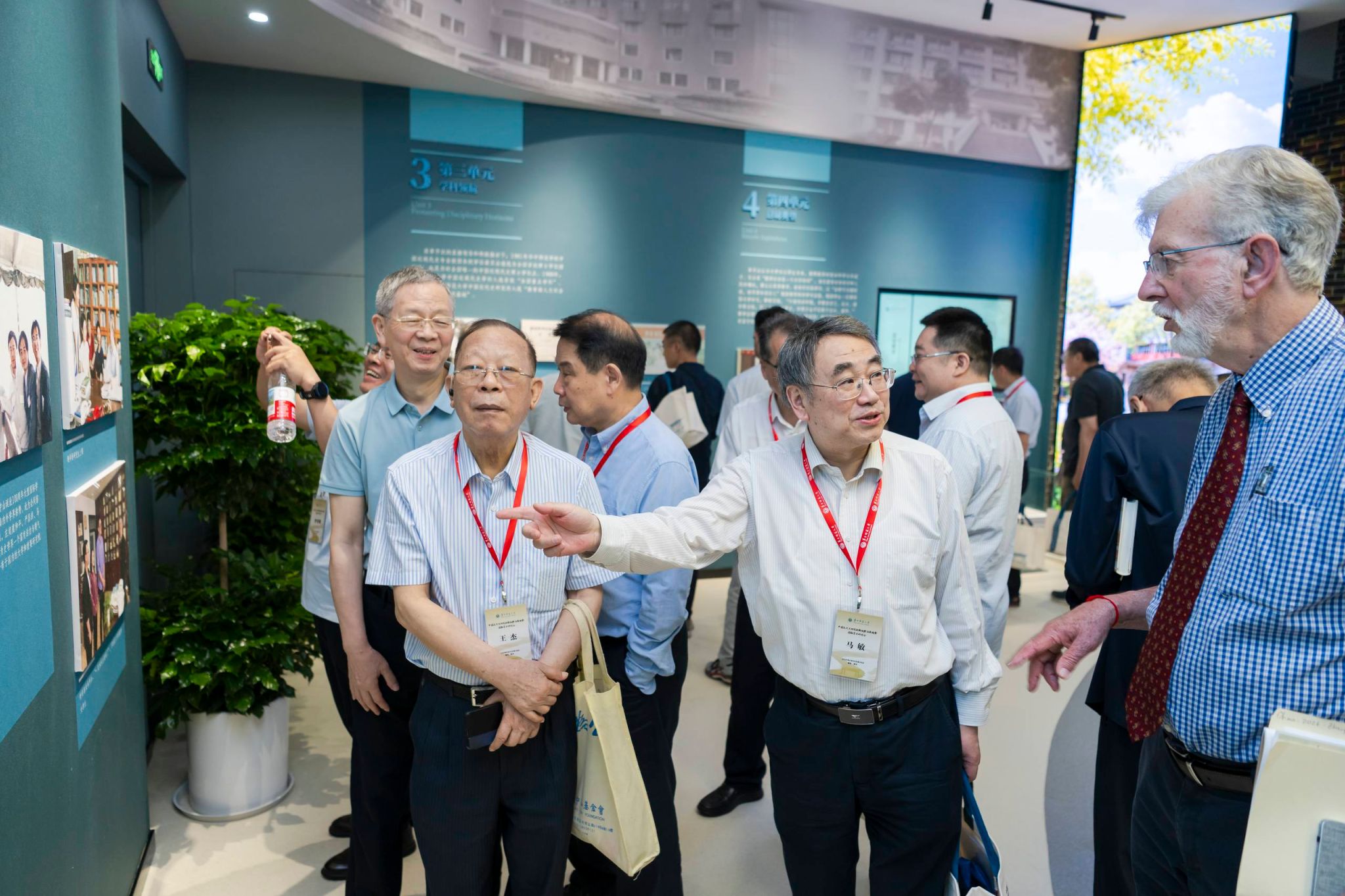
This comprehensive humanities venue combines memorial displays, academic archives, educational document collections, idea dissemination and immersive digital history experiences. Showcasing original manuscripts, rare archives, multimedia exhibits and interactive digital installations, it traces Zhang’s journey from a displaced youth to a towering academic figure, presenting his outstanding scholarly achievements, profound educational convictions and commitment to grounded real-world-oriented scholarship. It serves as a new major cultural landmark and spiritual home for the university community.





 Chinese