The closing ceremony of the Young Political Leaders Forum of China and Central and Eastern European Countries was held in Liberal Arts Research Building on June 15. More than 100 young representatives from political parties, enterprises and universities in China and 14 Central and Eastern European countries including the Czech Republic, Greece, Serbia and North Macedonia took part in the event. The closing ceremony was presided over by Yin Da, Deputy Secretary‑General of the Hubei Provincial Party Committee. Leaders from the central government, Hubei province and CCNU presented the forum.
Sun Haiyan reviewed the sincere exchanges and in‑depth discussions among Chinese and Central‑Eastern European participants around Communication, Cooperation and Action throughout the forum, which yielded broad consensus. She stressed that China consistently values its friendship with Central and Eastern European nations. She elaborated that the 2026 Action Plan for Young Political Leaders of China and Central and Eastern European Countries covers political mutual trust, capacity‑building, practical cooperation, people‑to‑people and cultural exchanges, as well as local‑level linkages. She expressed hope that young delegates from Central and Eastern Europe would sustain efforts to deliver tangible cooperation outcomes after returning home, and encouraged all parties to pursue exchanges and cooperation in Hubei.
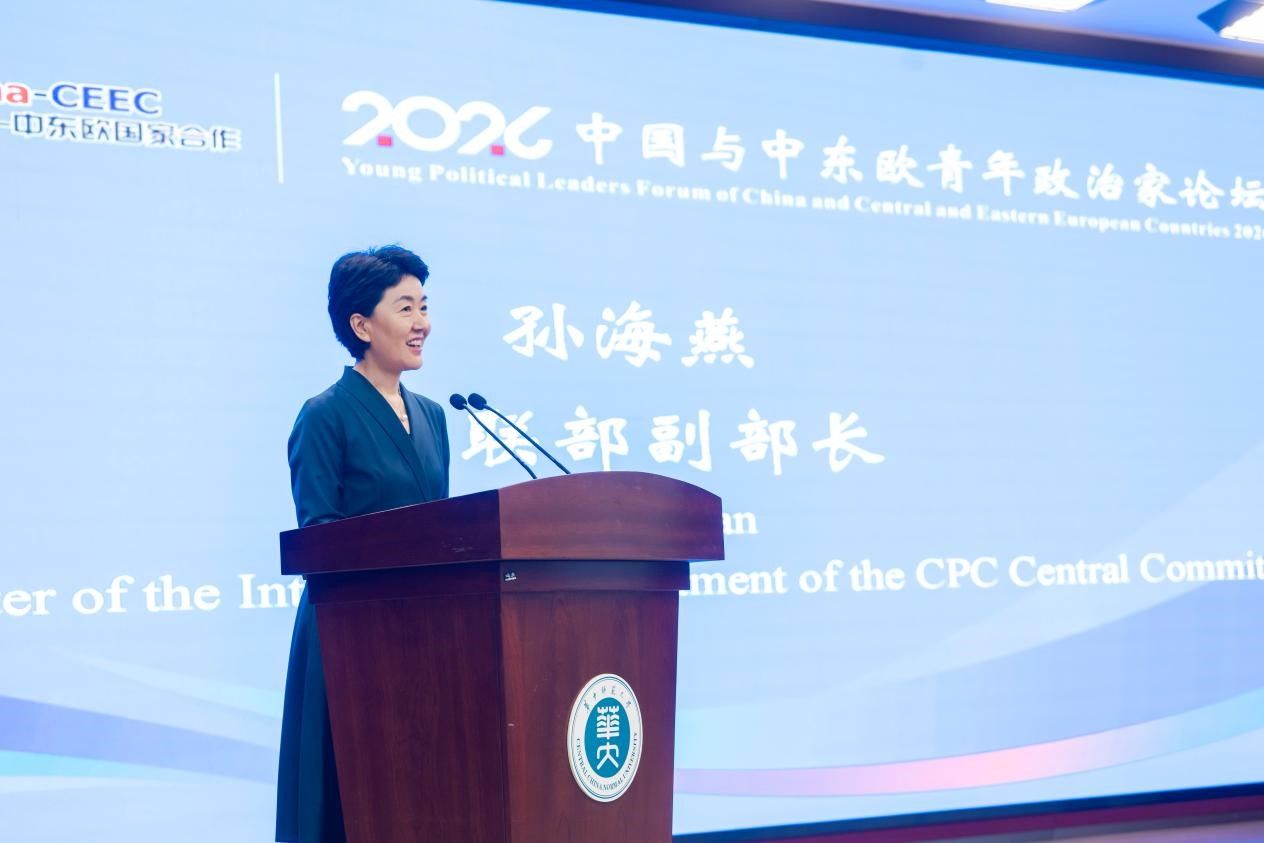
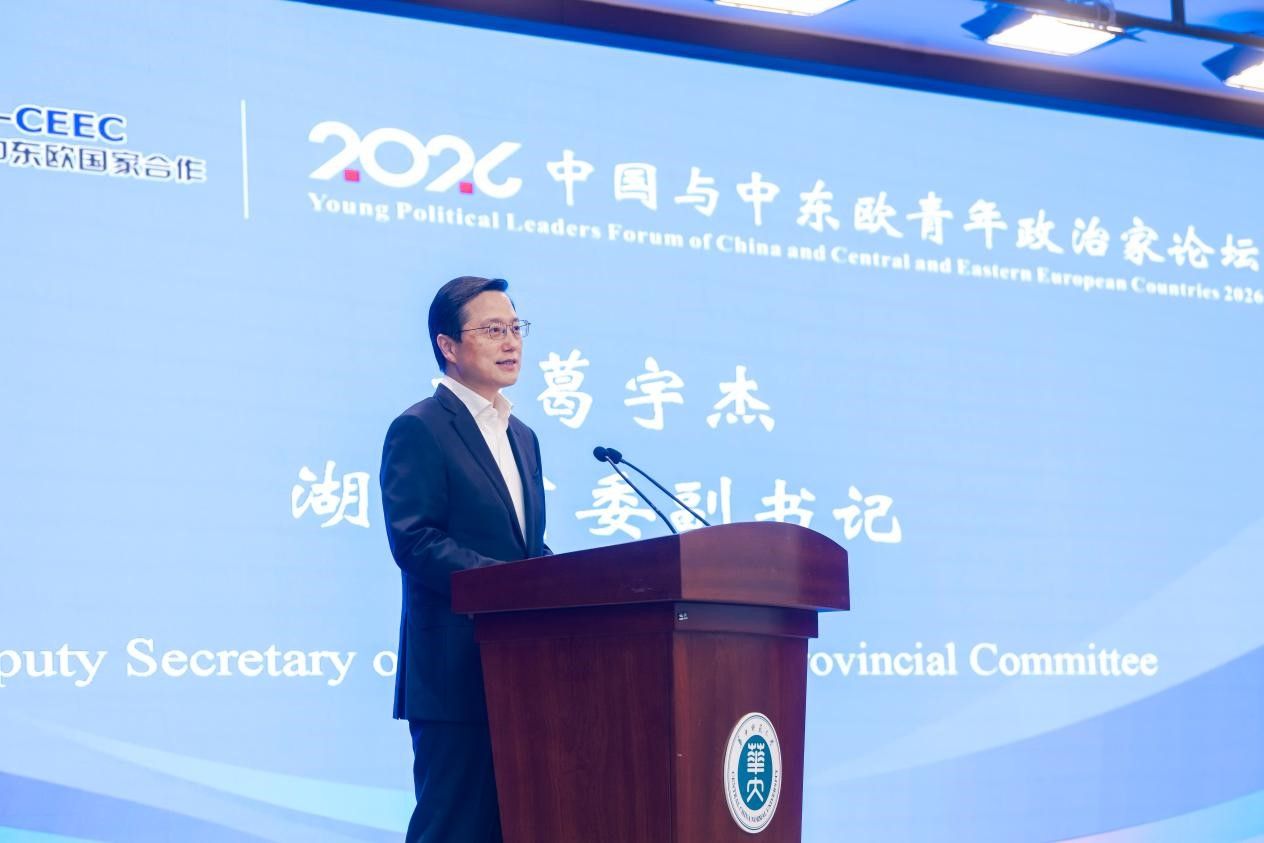
Zhuge Yujie extended warm congratulations on the successful convening of the forum. He pointed out that the Forum serves as an important multilateral platform for advancing political mutual trust and friendly cooperation and has produced fruitful results. As a vital force for international exchange and cooperation, youth shoulder the historic mission of carrying forward friendship and co‑creating a shared future. He encouraged young generations to stand side by side as firm inheritors of time‑honored friendships, active participants in open‑door cooperation and dedicated practitioners of mutual learning.
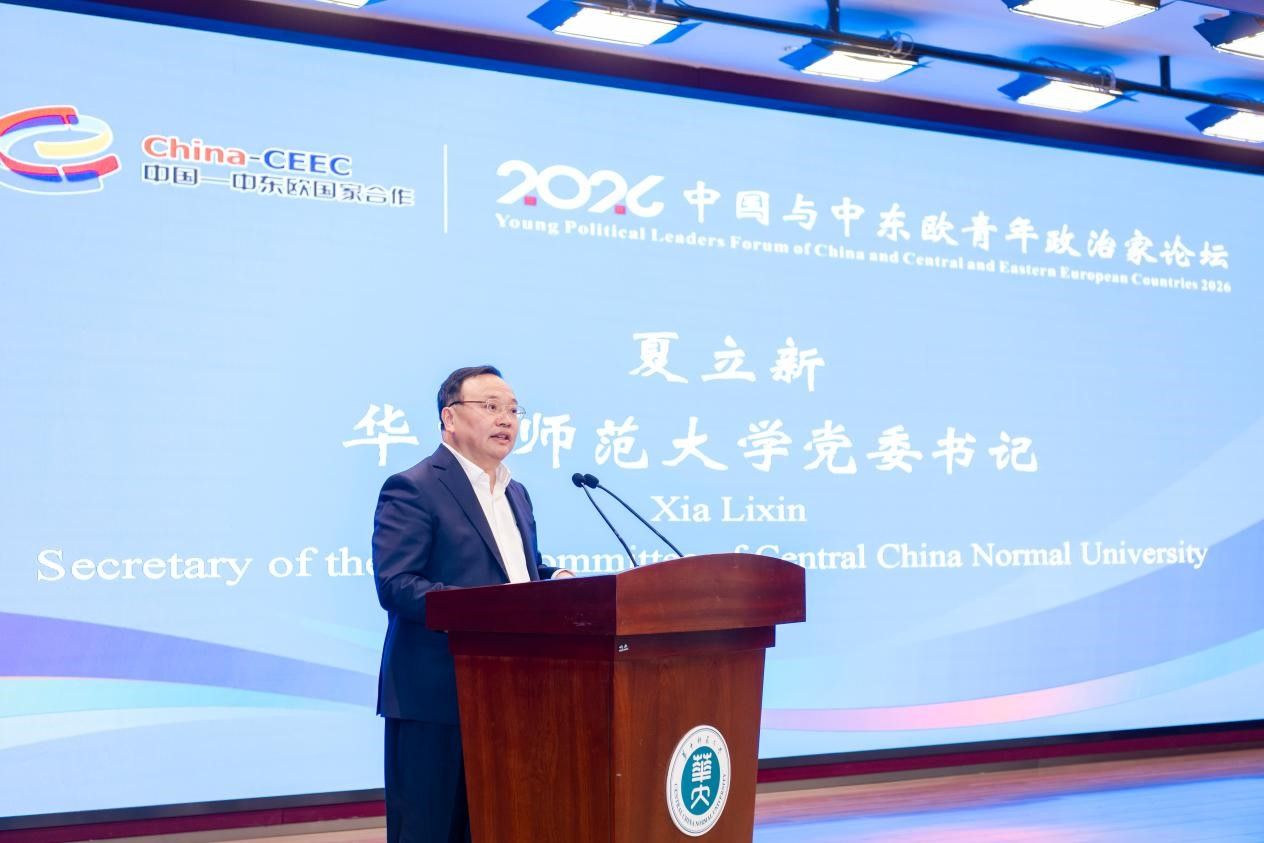
Xia Lixin noted that CCNU has always adhered to open‑door education. It has forged partnerships with over 260 universities and institutions worldwide, among which more than 20 are from Central and Eastern Europe. This has built an all‑round, multi‑layered and wide‑ranging framework for educational opening‑up, enabling the university to continuously contribute wisdom and strength to people‑to‑people exchanges between China and Central and Eastern European countries. He emphasized that youth constitute the dynamic source for steady and sustained China‑CEEC cooperation and bear the historic responsibility of promoting civilizational mutual learning and common development. Taking this forum as an opportunity, CCNU will further deepen exchanges and collaboration with universities, think tanks and youth‑led organizations across Central and Eastern Europe to jointly cultivate new‑era talents with global vision.
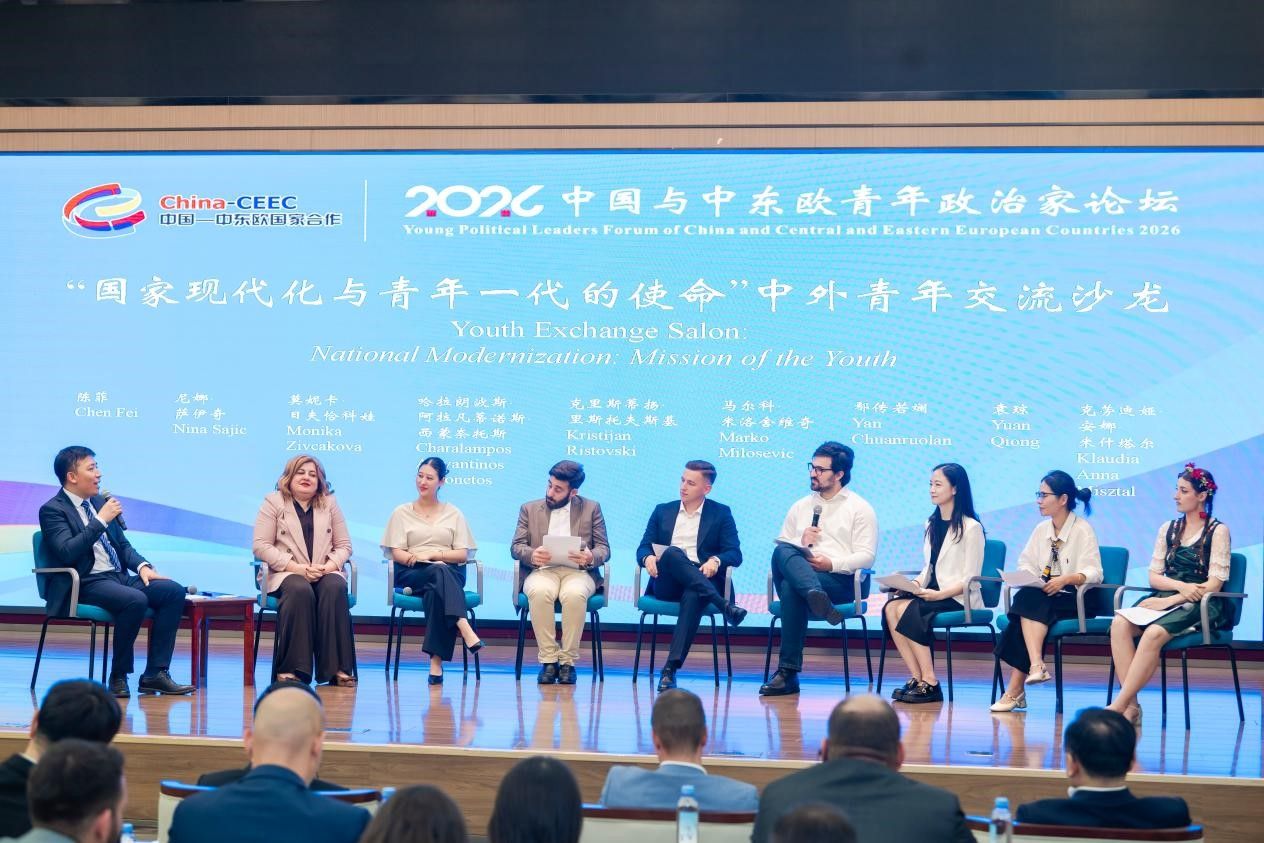
During the forum, young political leaders from Central and Eastern Europe, alongside Chinese young teachers, entrepreneurs and international students in China, voiced diverse perspectives and engaged in thorough discussions under the theme of National Modernization and the Mission of the Youth Generation. Drawing on personal experience, Chinese and foreign guests shared how modern‑driven cooperation between China and Central and Eastern European countries has improved local livelihoods and regional economies. They explored the pivotal role of young people in fostering people‑to‑people bonds, civilizational mutual learning and win‑win cooperation, as well as the inspiring vision of building a community with a shared future for mankind.
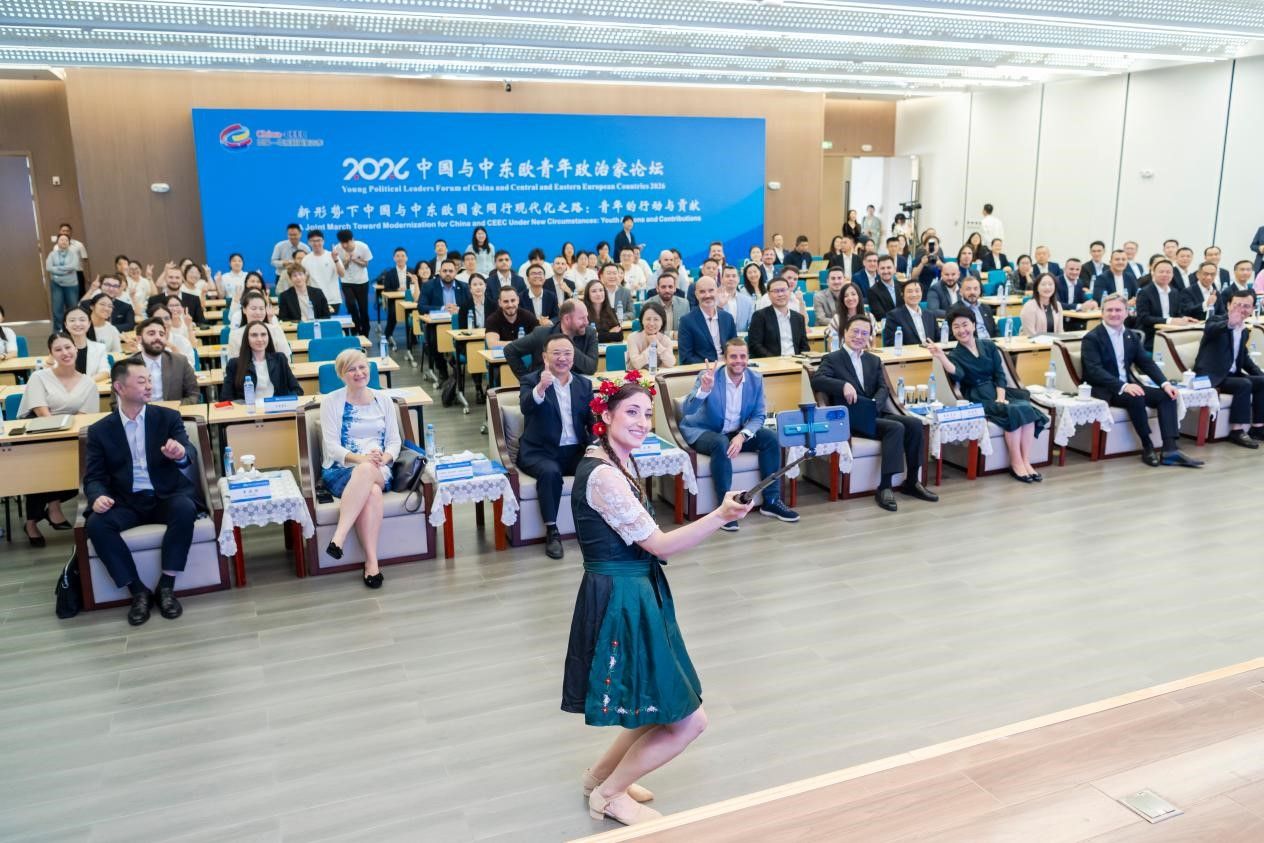
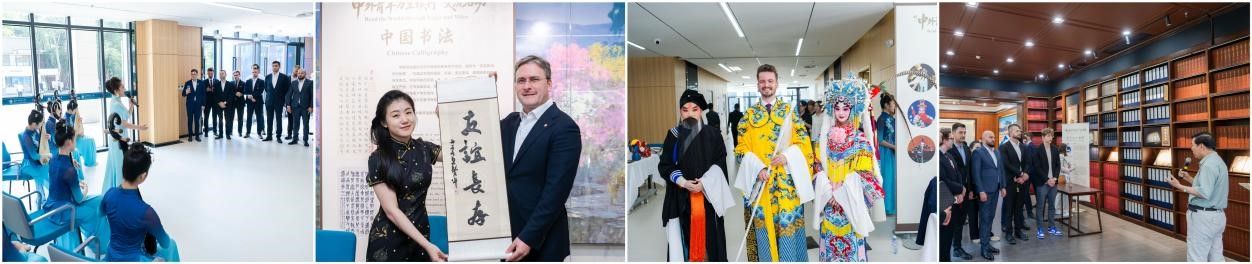
Before the closing ceremony, participants attended the thematic salon “Thousands‑Mile Reading Journey for Chinese and Foreign Youth: From Jingchu to the World”. Through book‑sharing sessions, intangible‑cultural‑heritage performances and interactive dialogues, delegates engaged with student societies and heritage inheritors. Building on the contemporary inheritance of Jingchu culture, they discussed the modernization and international development of traditional history and civilizations of various nations.







 Chinese